News
Rasuwa Flash Flood Emergency Response 2026: Standing With Flood-Affected Communities in Rasuwa & Nuwakot, Nepal
Standing With Flood-Affected Communities in Rasuwa & Nuwakot, Nepal
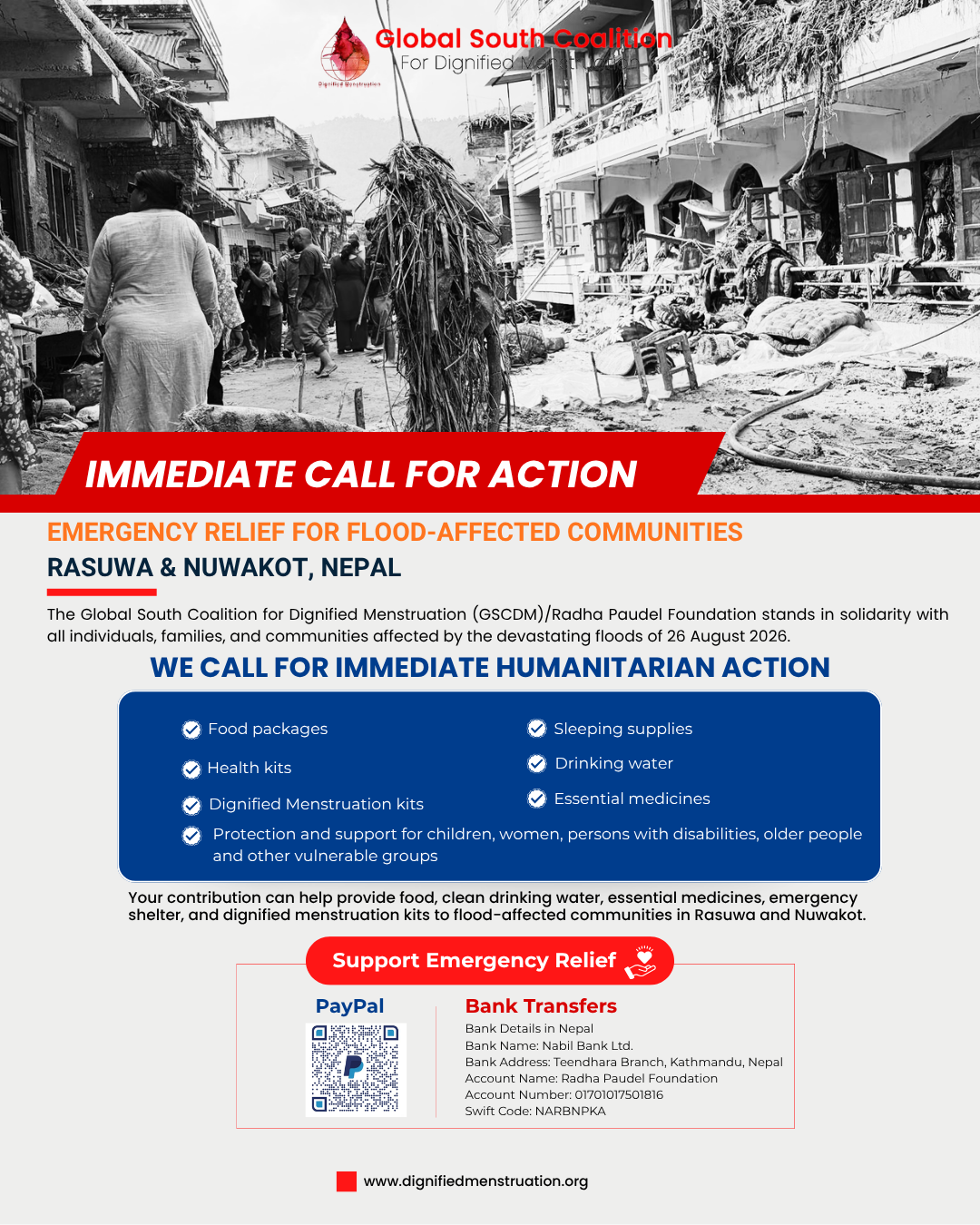
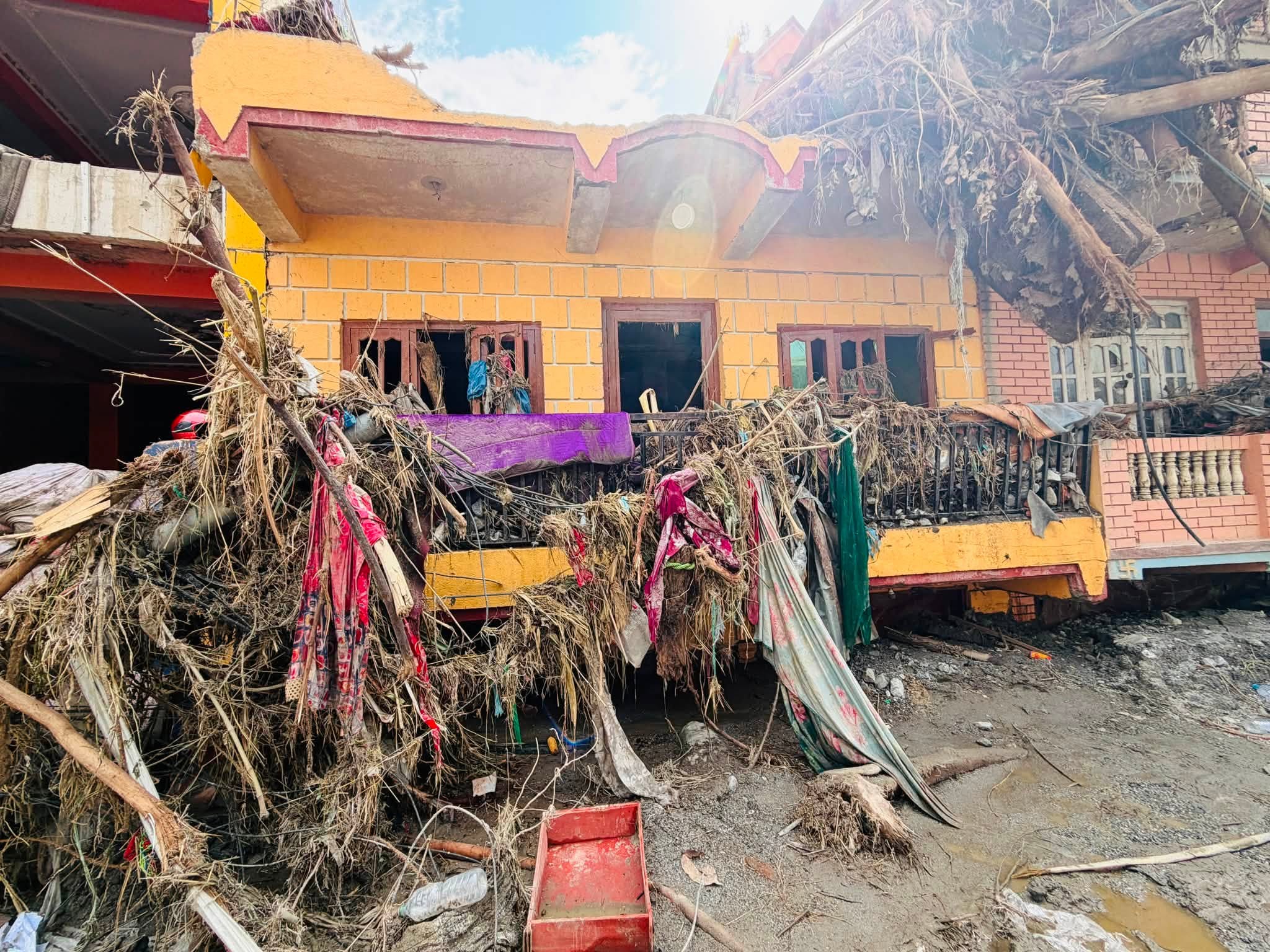
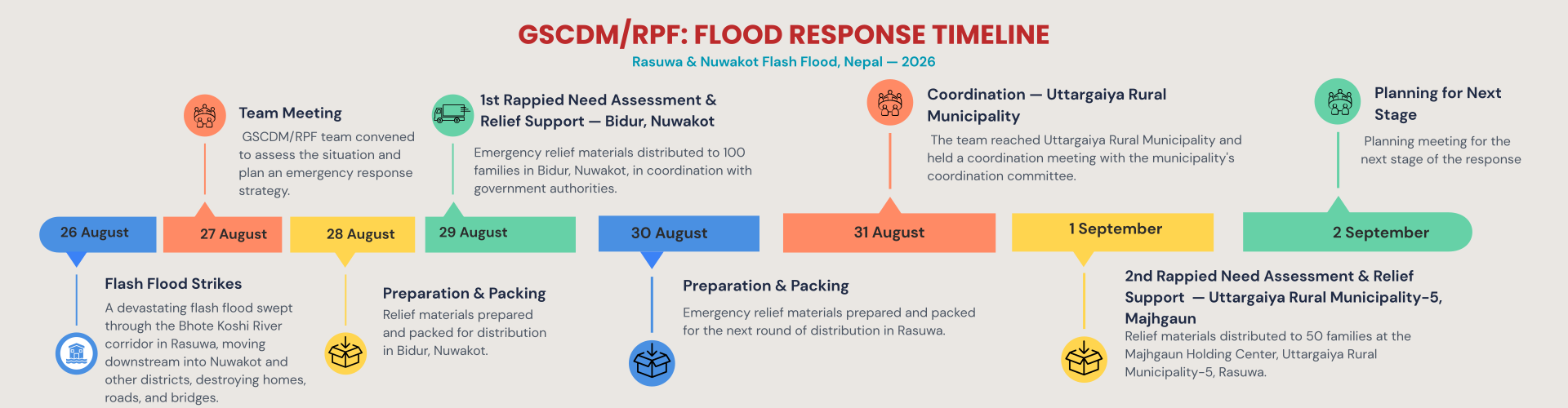
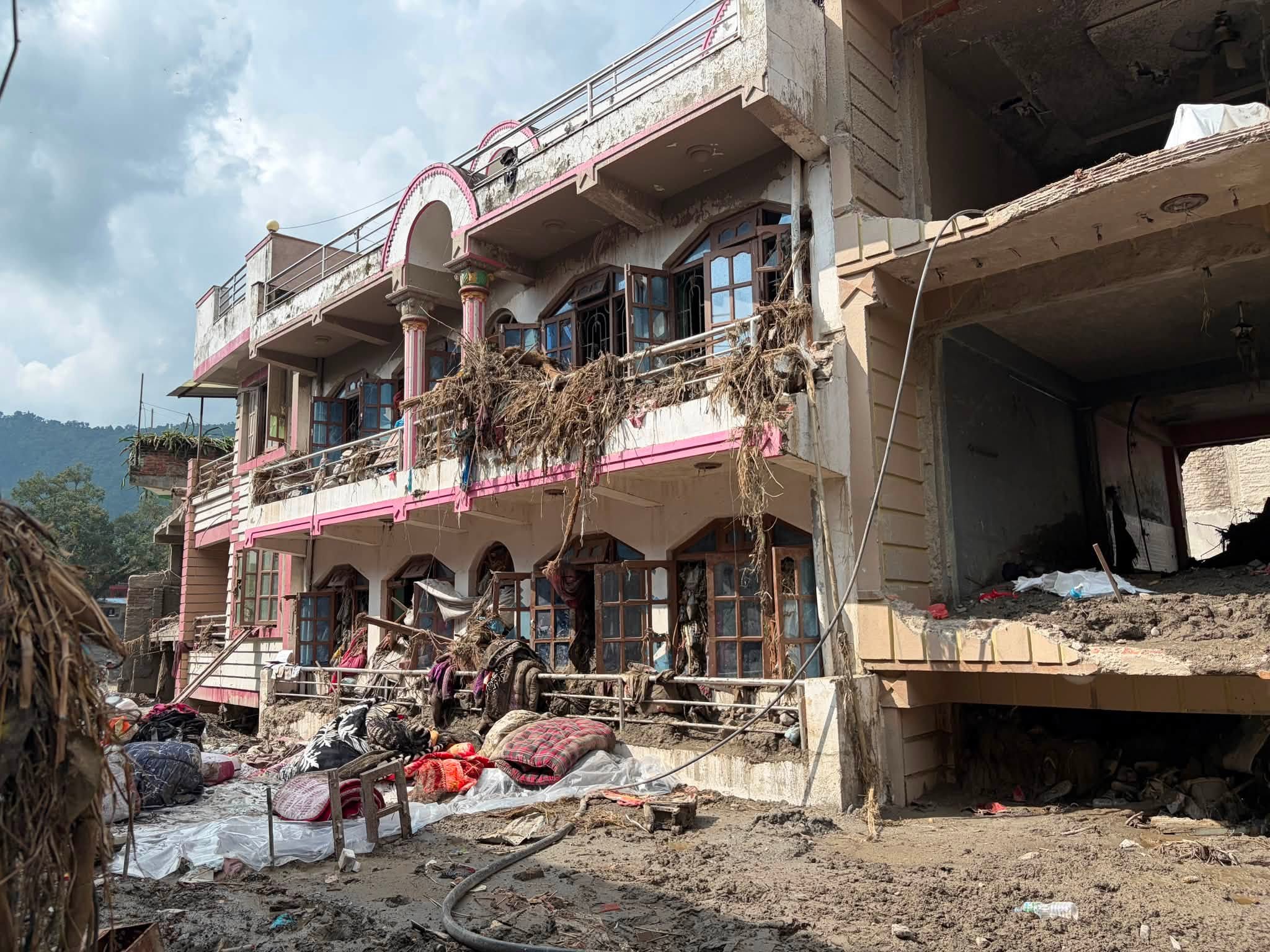
On 26 August 2026, a sudden and devastating flash flood swept through the Bhote Koshi River corridor in Rasuwa, moving downstream into Nuwakot and other affected areas. The disaster has caused significant loss of life, displacement and destruction of homes, livelihoods, roads, bridges, markets and essential infrastructure.
Families have lost their homes, belongings, livelihoods and years of hard work within a matter of hours. Many communities remain in urgent need of food, safe shelter, clean drinking water, healthcare, protection and other essential supplies.
The Radha Paudel Foundation (RPF)/Global South Coalition for Dignified Menstruation (GSCDM) are responding to this emergency with a commitment to dignity, human rights, intersectionality, local participation and non-discrimination.
In emergencies, dignity cannot wait. Menstruation needs cannot wait.
[ Support Now ] [ See How We're Responding ↓ ]
The Disaster: Key Facts & Figures
- Date: 26 August 2026, at 9 AM
- Affected Districts: 5 districts, with Rasuwa and Nuwakot severely affected
- Estimated affected households: 10,000 (WHO)
- Estimated affected children: 17,000 (UNICEF)
- Estimated affected pregnant/lactating mothers: 4,430 (UNFPA)
- Estimated property loss: NPR 200 billion (Ministry of Finance)
Updated from NDRRMA, as of 2 September 2026:
|
|
|
|
|
|
|
|
|
|
|
|
Figures are changing rapidly. RPF/GSCDM verifies data with the Government of Nepal, NDRRMA, and respective District Disaster Management Committees, and updates this page as new information becomes available.
Our Emergency Response
Following the disaster, RPF/GSCDM conducted a field visit to Trishuli and Devighat, Nuwakot, to understand the situation on the ground, engage with affected communities and identify immediate relief priorities.
Our response has been carried out in coordination and collaboration with government authorities, including the District Disaster Management Committee (DDRC), Local Government Rasuwa and Nuwakot, and other relevant local stakeholders.
We are grateful to the government authorities and local actors for their cooperation and coordination during this difficult time.
Our response prioritizes people who are often particularly vulnerable during humanitarian crises, including:
- Children
- Pregnant women
- Postpartum and lactating women
- Menstruators
- Adolescent girls
- Older people
- Persons with disabilities
- Marginalized and socially excluded communities
- Other individuals and families facing heightened vulnerability
What We Have Done
As part of the first stage of our emergency response, we have reached affected communities in Trishuli, Nuwakot, and provided primary relief support based on the immediate needs identified through field engagement.
Our approach is not simply to distribute general relief packages. We are working to identify and respond to the specific needs of different groups, particularly those whose needs can easily be overlooked during emergency response.
Targeted Population:
- Children
- Adolescent girls
- Pregnant/lactating mothers
- Persons with disabilities
- Elders and other vulnerable people
Our response has included:
- Food items
- Non-food items
- Dignified Menstruation kits
- Emergency medical supplies
The field experience has reinforced the importance of making humanitarian response inclusive, dignity-centred, and responsive to the specific needs of different groups.
What We Saw in the Field
Today, the floodwaters may be receding, but the suffering of affected communities has not.
The destruction witnessed in the field is difficult to put into words. Homes, belongings, livelihoods and years of hard work have been swept away. Among the most concerning realities are the needs of people who require additional care and support during emergencies. We met children and families struggling with displacement, pregnant and postpartum women facing uncertainty, menstruators without adequate menstrual supplies, and people with disabilities and older people facing additional barriers to accessing assistance.
One experience particularly stayed with us: a woman who had given birth only about a month earlier and had undergone surgery arrived seeking support while still experiencing significant physical pain and uncertainty about what she would do next. Her experience reminded us that an emergency response cannot simply see people as a single category of "affected population."
Every person has different needs.
A pregnant woman, a postpartum mother, an adolescent girl, a menstruator, a child, an older person or a person with a disability may experience the same disaster very differently.
Their specific needs must therefore be recognized from the beginning of humanitarian response.
Why Dignified Menstruation Matters in Emergencies
Disasters do not wait for menstruation to stop. They do not wait for pregnancy to be over. They do not wait for childbirth recovery. They do not distinguish between people with and without disabilities. They do not ask about age, gender, social status or economic background.
Humanitarian response must not discriminate either.
- Menstruators need access to menstrual materials, underwear, soap, clean water, privacy, sanitation and safe spaces — even during emergencies.
- Pregnant and postpartum women may require specific clothing, hygiene materials, healthcare, nutrition and protection.
- Children need more than food. They also need safety, care and psychosocial support.
- Persons with disabilities may require accessible facilities and assistance.
- Older people may face mobility, health and social isolation challenges.
These needs cannot become an afterthought.
Dignity is not a luxury in humanitarian response. Dignity is a right.
First-Phase Relief Response in Bidur, Nuwakot
Our first-stage response has focused on immediate and essential relief for affected families and priority groups. This includes support for:
- Emergency food needs
- Dignified Menstruation Kit
- Basic clothing and essential items
- Support for children
- Support for pregnant and postpartum mother
- Support for older people and persons with disabilities
- Other urgent needs identified through field engagement
The response is being implemented in coordination with relevant authorities and local stakeholders to help ensure that support reaches affected communities responsibly and avoids unnecessary duplication.
Second-Phase Emergency Relief in Rasuwa
Following the initial field response and needs assessment, RPF/ GSCDM successfully completed its second-phase emergency relief response in Majhgaun, Uttargaya Rural Municipality–5, Rasuwa District.
The relief distribution was conducted at the Majhgaun Holding Center, Uttargaya–5, in coordination with the local government, District Disaster Risk Reduction and Management Committee (DRRMC), and local stakeholders. The response was designed to address the immediate and emerging needs of flood- and landslide-affected communities, with particular attention to dignity, protection, health, hygiene, shelter, food, water, mobility, and essential household needs.
- Shelter & Household Support
- Food & Nutrition
- Water, Hygiene & Sanitation
- Menstrual Dignity & Personal Care
- Protection & Mobility
- Emergency Communication & Lighting
- Coordination & Local Partnership
The second-phase relief response was implemented in close coordination with Uttargaya Rural Municipality, the DRRMC, and local stakeholders, helping ensure that relief supplies were distributed according to verified community needs and the local response mechanism.
RPF/GSCDM remains committed to a dignity-centred humanitarian response, ensuring that emergency assistance addresses not only survival needs but also the health, safety, privacy, mobility, and menstrual dignity of affected people, particularly women, girls, children, older people, persons with disabilities, pregnant and postpartum women, menstruators, and other marginalized groups.
Dignity cannot wait in an emergency.
How You Can Help
The scale of this disaster is greater than any single organization can address alone.
Your support can help humanitarian workers reach more families, faster, and with dignity.
Your contribution can help provide:
- Emergency food supplies
- Dignified Menstruation kits
- Menstrual and personal care supplies
- Clean water and water purification support
- Tents and emergency shelter materials
- Clothing
- Shoes and essential household items
- Hygiene supplies
- Emergency lighting and communication support
- Support for children, pregnant and postpartum women, older people and persons with disabilities
Donate Now
PayPal Scan the QR code below to make a donation, or click here
Bank Transfer
- Bank Name: Nabil Bank Ltd.
- Bank Address: Teendhara Branch, Kathmandu, Nepal
- Account Name: Radha Paudel Foundation
- Account Number: 01701017501816
- SWIFT Code: NARBNPKA