News
Petition: Declare 8 December as the International Day for Dignified Menstruation
Menstrual Discrimination (MD) is practiced across the globe under various names, forms, and degrees, reflected in more than 5,000 euphemisms used to describe it. It is an umbrella term encompassing silence, taboos, shame, stigma, abuse, restrictions, violence, and deprivation of services and resources associated with menstruation throughout the life cycle of menstruators in diverse settings.
Menstrual Discrimination constructs and reinforces unequal power relations between menstruators and non-menstruators, perpetuating patriarchy and social exclusion. As a result, it systemically and symptomatically affects all aspects of menstruators’ lives.
According to the United Nations Declaration on the Elimination of Violence against Women (1993), Menstrual Discrimination constitutes Sexual and Gender-Based Violence (SGBV), as it falls under multiple categories including emotional violence, physical violence, sexual violence, and deprivation of services and resources. Furthermore, under the Universal Declaration of Human Rights (1948), Menstrual Discrimination represents a violation of fundamental human rights. A single discriminatory menstrual practice may violate several rights simultaneously, including: right to dignity, right to freedom, right to equality and right to non-discrimination.
Consequently, menstruators are subjected to repeated and compounded human rights violations throughout their lives. In many cultures, children’s rights including the rights to survival, protection, development, and participation, are also directly and indirectly violated due to Menstrual Discrimination. For example, infants may suffer malnutrition when their mothers are denied access to kitchens or nutritious foods during menstruation, beginning as early as six months after birth.
Menstrual Discrimination creates a vicious cycle that impacts menstruators from womb to tomb. Its systemic and symptomatic consequences are often compounded and intersectional. Inaccessibility to menstrual products, undignified water and sanitation facilities, inadequate housing, chronic malnutrition, sexual abuse, rape, intimate partner violence, child marriage, heightened vulnerability during climate disasters, humanitarian crises, and pandemics, and the exclusion of menstruators from leadership and decision-making spaces in peace processes, climate justice, politics, sports, and corporate sectors are both causes and consequences of Menstrual Discrimination.
Despite its profound impact, Menstrual Discrimination is not explicitly acknowledged within major human rights and international frameworks, including:
The Universal Declaration of Human Rights (1948)
The Convention on the Elimination of All Forms of Discrimination against Women (1979)
The Convention on the Rights of the Child (1989)
The Convention on the Rights of Persons with Disabilities (2006)
Moreover, Menstrual Discrimination hinders progress toward at least nine Sustainable Development Goals (SDGs).
The global menstrual movement has largely focused on menstrual products and infrastructure, without adequately addressing the structural and multifaceted nature of Menstrual Discrimination. Similarly, Sexual and Reproductive Health and Rights (SRHR) initiatives and Comprehensive Sexuality Education often concentrate on anatomy, physiology, and menstrual management, but do not sufficiently address the structural discrimination surrounding menstruation. As a result, targets related to STI/HIV prevention, and SRHR remain unmet, as Menstrual Discrimination structurally impedes progress at individual, family, school, community, institutional, and policy levels. A menstruator who does not live free from Menstrual Discrimination who does not experience dignified menstruation cannot fully exercise agency, including the ability to refuse unsafe sex, child marriage, or unsafe pregnancy.
To address the systemic and symptomatic impacts of Menstrual Discrimination, the framework of Dignified Menstruation offers a holistic, human rights-based, and life-cycle approach (www.dignifiedmenstruation.org Dignified Menstruation is not merely about dignity in isolation; it represents the composite realization of the right to dignity, freedom, equality, and non-discrimination. Most importantly, it fosters equal power relations, dismantles patriarchal structures, and promotes social inclusion.
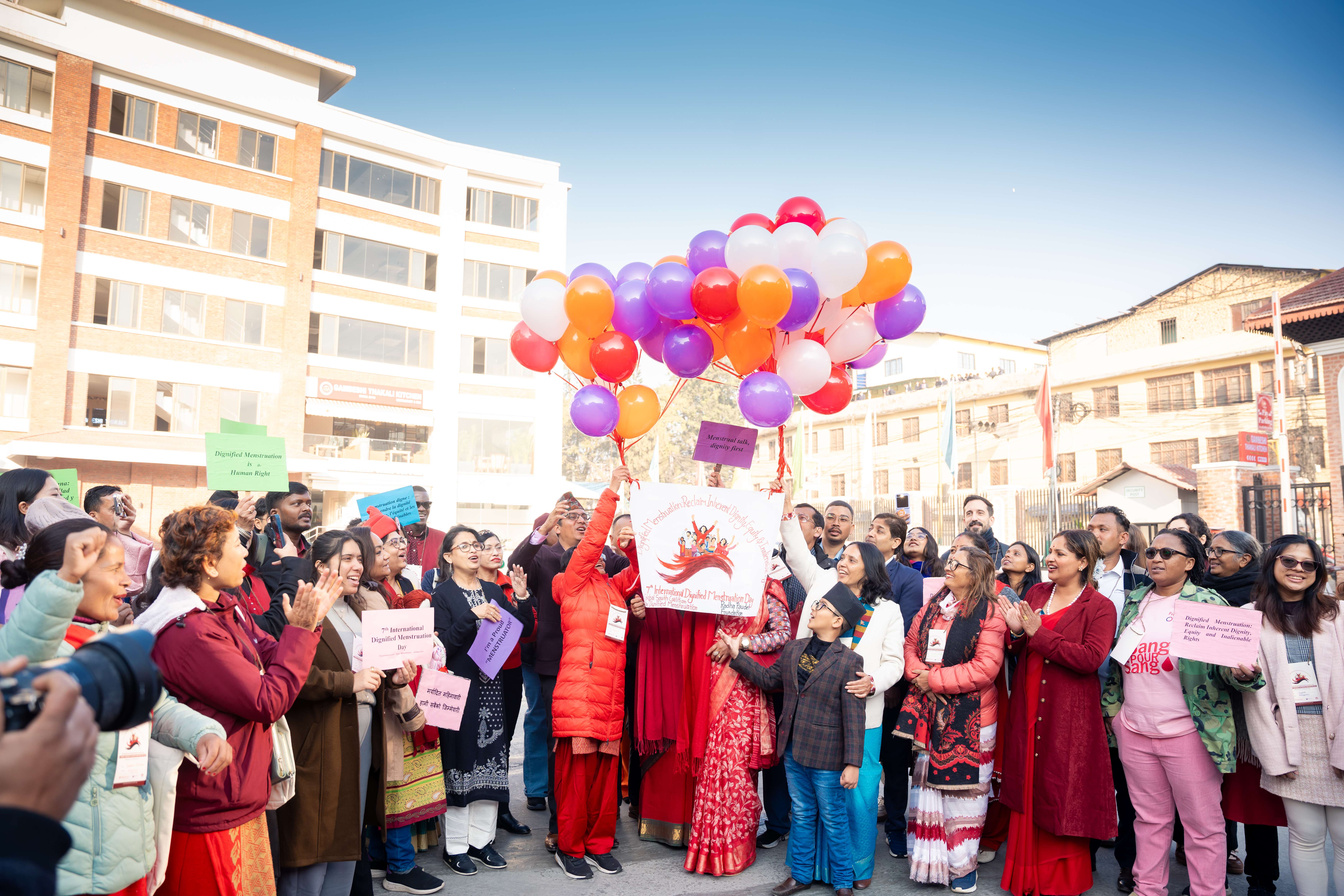
Since 2019, the Global South Coalition for Dignified Menstruation, in collaboration with member NGOs, stakeholders, and governments from local to global levels, has marked 8 December as the International Day for Dignified Menstruation. The date was intentionally chosen as the 14th day of the 16 Days of Activism Against Gender-Based Violence, recognizing that Menstrual Discrimination is both a cause and consequence of SGBV and human rights violations.
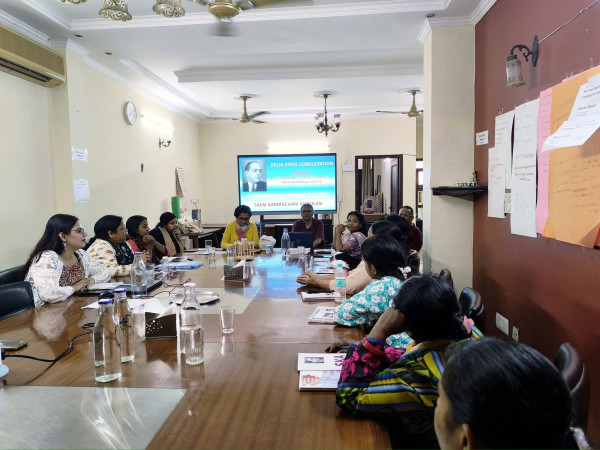
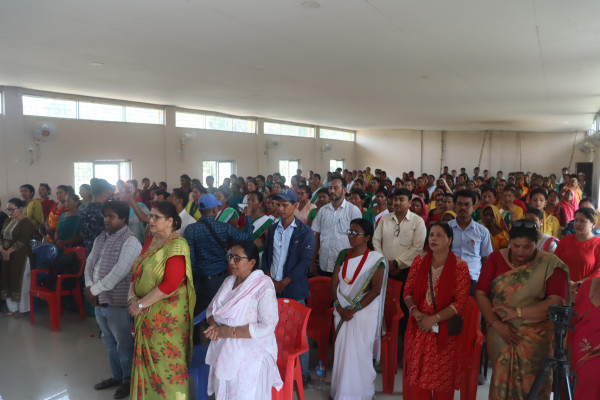
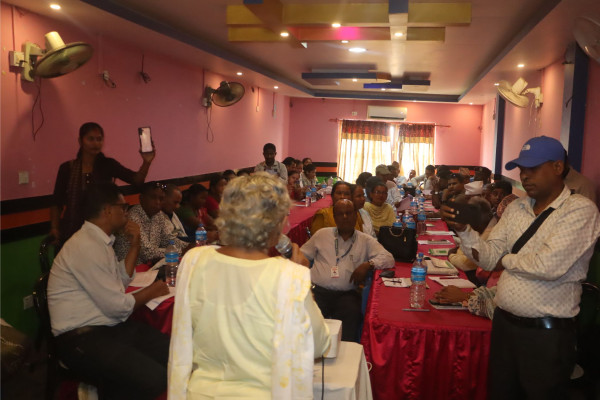
The 7th International Day for Dignified Menstruation and the Kathmandu Declaration 2025 concluded with 12 points call for action for same.
We respectfully urge the United Nations and Member States to officially declare 8 December as the International Day for Dignified Menstruation. Such recognition is urgent and essential to advance equality, justice, dignity, and peace for all.
Thank you for your support and cooperation.
Sincerely,
Global South Coalition for Dignified Menstruation
[email protected]